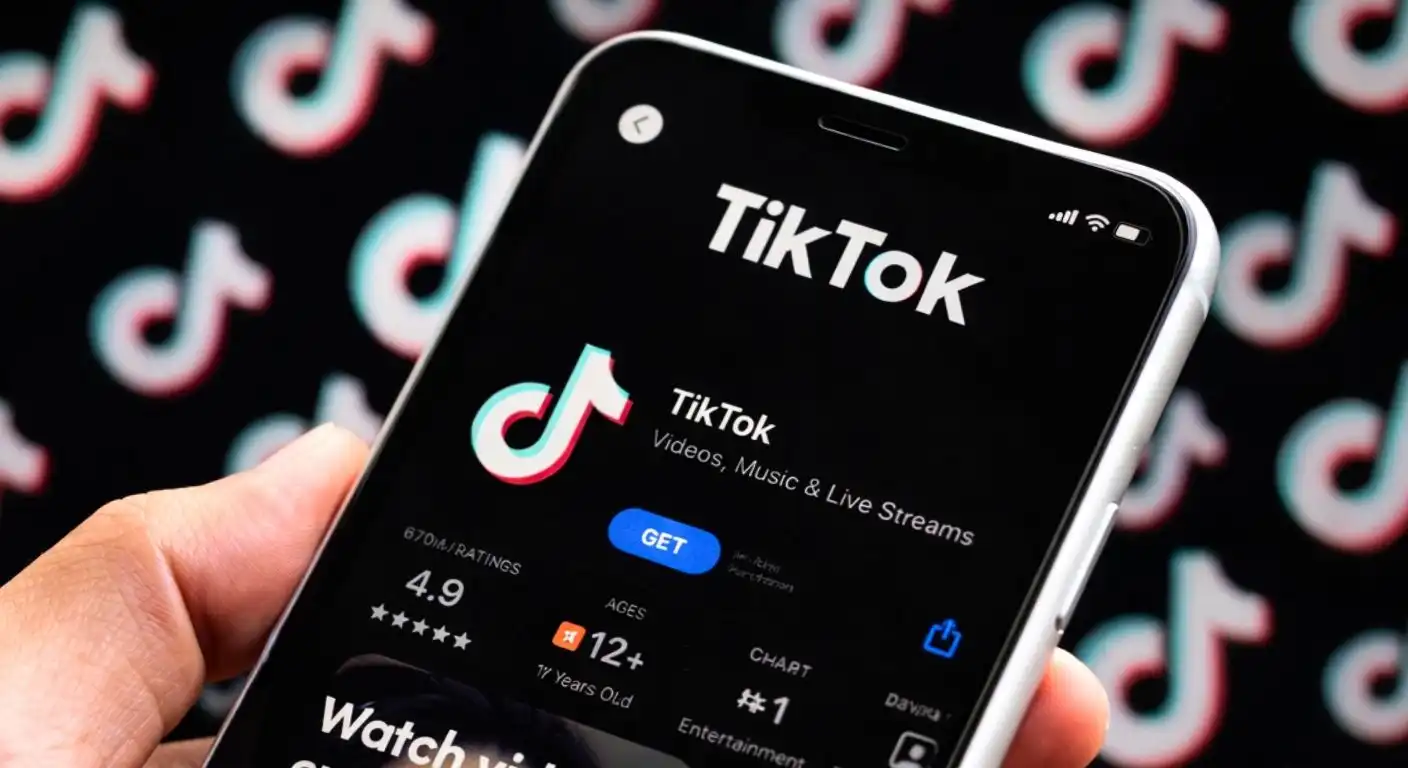
The European Union just took a massive swing at TikTok. Regulators say the app’s most famous features—like the endless scroll and the “For You” algorithm—are actually illegal. According to the European Commission, TikTok designed these features to be addictive, which violates the region’s Digital Services Act (DSA).
EU officials believe the app traps users in a loop that harms their mental health. Features like autoplay, constant push notifications, and highly personalized recommendations trick the brain into an “autopilot mode.” The commission explains that the app “rewards” users with new content every few seconds, which fuels an urge to keep scrolling. They point to scientific research showing that this design leads to compulsive behavior and ruins a person’s self-control. They are especially worried about how this affects the physical and mental wellbeing of children and teenagers.
Right now, TikTok offers parental controls and screen time limits, but the EU says those tools are weak and insufficient. If the findings stick, TikTok might have to overhaul its entire interface. This could mean getting rid of the infinite scroll or fundamentally changing how the algorithm picks videos for users to ensure they don’t get hooked.
TikTok isn’t backing down. The company called the EU’s report “categorically false” and “meritless.” They plan to use every legal tool they have to challenge the decision and prove their platform is safe. This isn’t the first time the EU has targeted the company. Since early 2024, investigators have looked into TikTok and already flagged problems with how it shares data and handles advertising transparency.
The stakes are high. If the EU officially finds TikTok guilty of violating the DSA, the company could face a massive fine—up to six percent of its total global revenue. For a company as big as TikTok, that amounts to billions of dollars. European regulators clearly want TikTok to prioritize user health over “engagement” metrics. They want a platform where users have more control over when they stop watching. For now, the app remains the same, but the future of the “endless scroll” in Europe looks very shaky.