
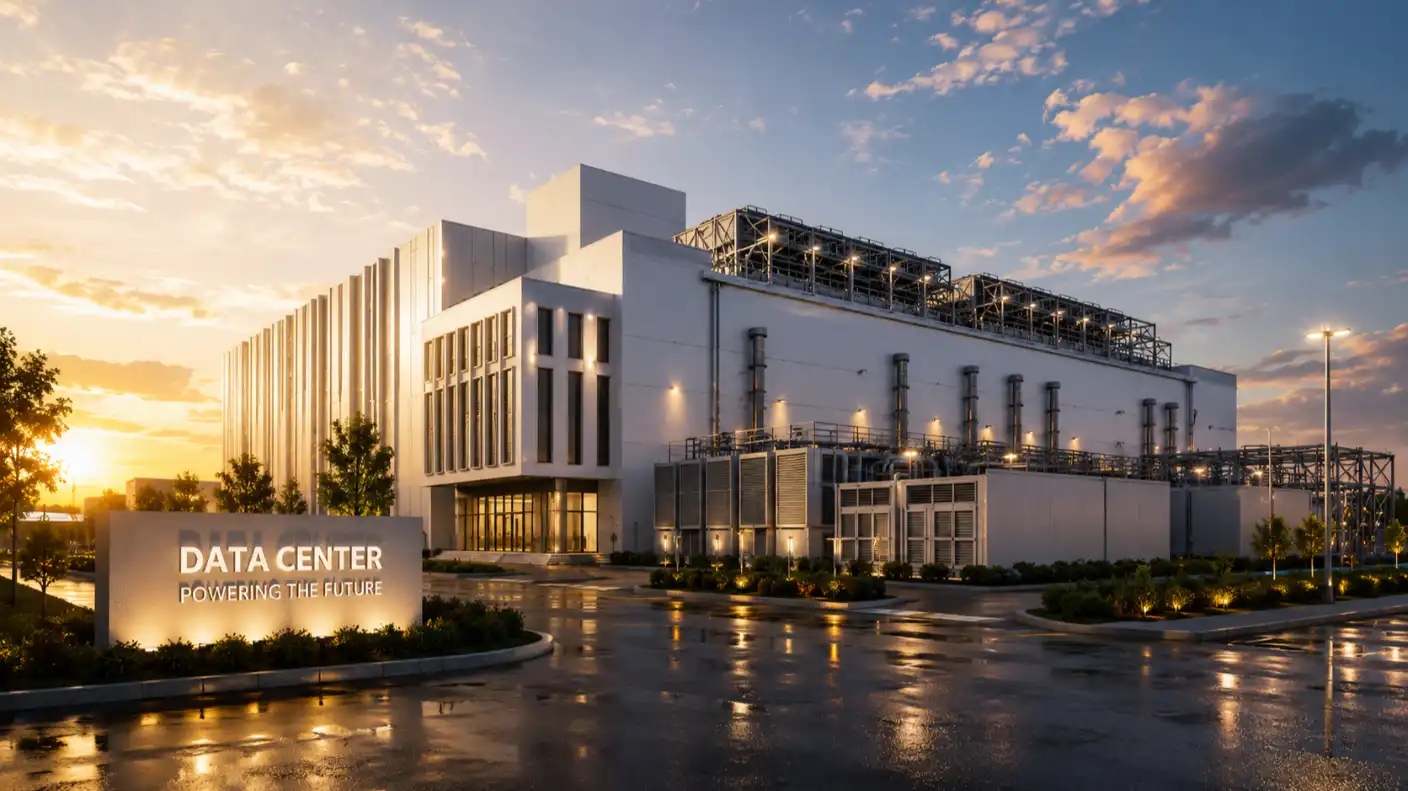
A major pollution watchdog has just backed down from a plan that would have forced big tech companies to be much more honest about their carbon footprints. This plan could have cut carbon emissions dozens of times faster than what we see today. However, after some heavy pressure from the tech world, the Science Based Targets initiative (SBTi) decided to scrap the new rules. This decision is a huge win for companies that are currently building massive data centers to power the ongoing artificial intelligence boom.
Artificial intelligence is growing at a breakneck speed, and companies like Meta and Amazon are building giant buildings all over the United States to house the computers that run it. These buildings are like digital engines that never stop running, and they need a massive amount of electricity. In many places, the local power grid simply cannot produce enough power to keep these facilities running. To fill this gap, many firms have started building their own power plants using gas turbines. While these turbines are reliable, they produce a high amount of CO2.
To keep their “green” reputations intact, these companies use a system of certificates to offset the pollution they create. Currently, a data center in a state like Texas can burn natural gas in the middle of the night and then buy a certificate from a solar farm in California that produced power during the day. On paper, it looks like the company is using 100% clean energy. In reality, the data center in Texas is still pumping smoke into the air, and the solar power in California is not actually helping the people living near that Texas facility.
The Greenhouse Gas Protocol (GGP), which sets the rules used by Europe and California, wanted to fix this problem. They argued that for a green investment to count as an “offset,” the clean energy should be made in the same region and at the same time the pollution happens. The SBTi initially proposed that tech companies should have to follow this stricter rule. This would create a “credible link” between the company and the energy it actually uses, rather than letting them trade numbers across the country.
When the news of this proposed change got out, some of the world’s most powerful companies went into battle mode. A group of firms with combined annual revenue of nearly $5 trillion, including Apple, Amazon, and GM, launched a lobbying campaign they called “May not Shall.” They argued that these strict rules about time and location should be optional. They claimed that forcing them to match their energy use by the hour would be too expensive and might even stop them from investing in green power at all.
Interestingly, not every tech giant agreed with the lobbying. Google took the opposite side of the argument and pushed for the stricter rules. Google is currently the biggest buyer of renewable energy in the world, spending billions of dollars on wind and solar projects. They already try to match their energy use hour-by-hour with green power. They believe that if the whole industry does not adopt these strict rules, then the “net-zero” promises companies make to the public are not actually helping the planet.
Scientific research supports the need for these tougher rules. Research groups from places like Princeton University and officials from the European Union have found that if companies had to match their energy use every hour, we could cut CO2 emissions much quicker than we do now. The current system lets companies claim they are “clean” while their physical pollution remains high. Switching to hourly matching would force a real-world shift toward 100% green energy grids rather than just a shift in accounting.
Despite the science, the SBTi gave in to the pressure from the big tech lobbyists. By dropping the recommendation, they are letting the old system stay in place. This means tech giants can continue to build enormous data centers without having to worry about exactly where or when their green energy is made. For many climate activists, this feels like a massive step backward. They argue that we are losing a chance to fix the world’s power grids just when the AI boom is putting more stress on them than ever before.
Building these data centers is an incredibly expensive business, often costing more than $1 billion for a single site. With the AI industry predicted to grow by at least 15% every year, the amount of power needed is only going to go up. If companies are not forced to match their energy use accurately, we could see a huge spike in fossil fuel use that never shows up on any official reports. This creates a fake version of reality where companies look green on their websites while the actual air quality gets worse.
Looking ahead, the fight over these rules is far from over. While the SBTi backed down this time, other groups in California and Europe are still pushing for tougher laws. The tech world is now split between companies that want to do the bare minimum and those that believe the industry has to lead the way. As data centers continue to pop up across the country, the question of how we power them will determine whether the AI revolution helps the world or just speeds up our environmental problems.