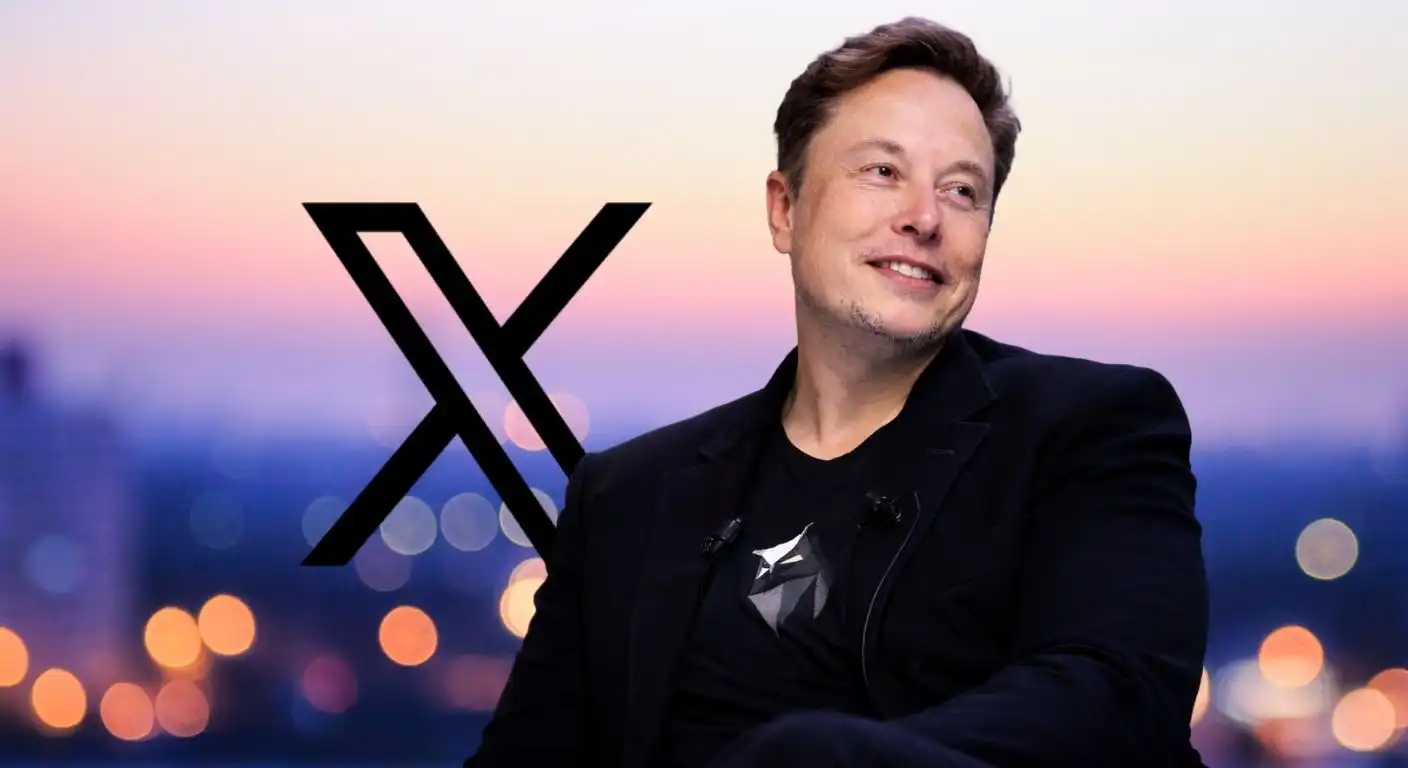
Elon Musk is currently walking a tightrope in Beijing. He joined President Donald Trump and a group of 13 other top business bosses for a massive summit with Chinese leader Xi Jinping. While he stood behind the US cabinet at the Great Hall of the People, he told reporters he hopes to do “many good things” for the relationship between the two countries. Musk is no stranger to the messy world of Chinese business, where he is often treated like a rock star one day and a target for regulators the next.
His fame in China is truly unique. Even though the government bans his social media site, X, he still has 2.3 million followers on the local platform Weibo. On Thursday, a video of him spinning around with his phone to film the scenery went viral. Chinese users praised his energy, calling him “Brother Ma” and a “global idol.” His mother has even become a celebrity in the country. This popularity helps him, but it does not protect him from the growing competition from local electric vehicle brands.
Tesla still carries a lot of weight in the region. Last year, the company sold roughly 626,000 cars in China. This makes it the fifth-largest maker of electric cars and hybrids in the country. More importantly, China brings in about 20% of Tesla’s total annual revenue. This huge financial stake is why Musk is so careful with his words when he visits. He knows he cannot afford to lose his grip on the world’s biggest auto market.
Experts say Musk’s goals often match what the Chinese government wants. Kyle Chan from the Brookings Institution pointed out that Beijing’s top priorities—like self-driving cars, humanoid robots, and artificial intelligence—line up perfectly with Musk’s own projects. Tesla’s self-driving software is still the “gold standard” that everyone else tries to copy. In fact, during the pandemic, many Chinese car companies spent their time studying Tesla’s designs while traditional Western makers were stuck in lockdowns.
However, the relationship is not all smiles. The Chinese military is deeply worried about SpaceX and its Starlink satellites. They watched how Starlink helped Ukraine during the war with Russia and grew concerned. Military researchers wrote in 2022 that the US might use these satellites in conflicts within Asia. Because of this, China is spending billions of dollars to build its own rival satellite network. They want to make sure they aren’t dependent on a company controlled by an American billionaire.
Musk also faces a tough fight on the ground. Local rivals like Chery are moving fast. Chery’s chairman, Yin Tongyue, recently said he draws inspiration from both Tesla and Toyota. He wants to take Tesla’s innovative spirit and mix it with Toyota’s legendary focus on quality. As these local brands get better and cheaper, Tesla’s lead is shrinking. Even a 1.5% drop in market share could mean losing millions of dollars in a market this crowded.
There is also the matter of new business deals. Musk reportedly wants to buy $2.9 billion worth of solar panel equipment from Chinese suppliers. This deal is a big part of his plan to grow his energy business. However, the ongoing trade war between the US and China might kill the deal. Beijing is currently thinking about limiting the export of its most advanced technologies to the US, which would leave Tesla in a difficult position.
Musk is also pushing Chinese regulators to let him launch his “Full Self-Driving” system across the country. He needs this win to prove that Tesla is still a tech leader. But he has to be humble. Back in 2021, Tesla had to issue a public apology after a customer climbed on top of a car at the Shanghai auto show to protest. Musk has learned that in China, you have to balance your visionary ideas with a deep respect for the local rules and the public’s mood.
As the summit continues, Musk’s presence highlights how much the tech world and politics have merged. He is trying to protect a business empire that spans across cars, space, and solar power. To succeed, he needs the massive supply chains that only China can provide. He is betting that his personal influence and his alignment with Beijing’s tech dreams will be enough to keep his “global idol” status alive while the two superpowers argue over the future of the world.