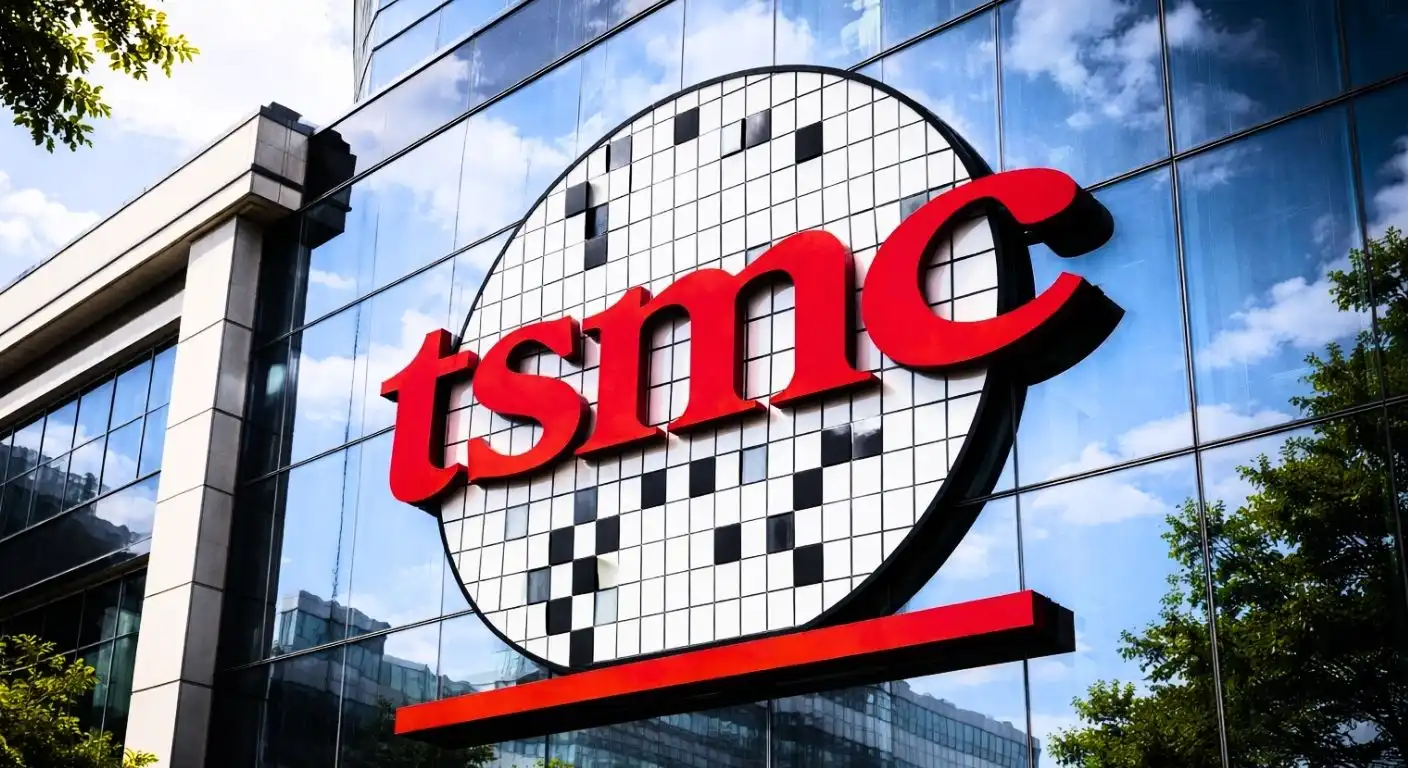
Taiwan Semiconductor Manufacturing Company, the world’s most powerful chipmaker, faces a growing labor crisis that could threaten the global technology supply chain. Despite reporting an impressive 58 percent jump in company profits, reports indicate that internal morale has plummeted. Employees at the company are reportedly furious over rumors of upcoming bonus cuts, and they are now beginning to organize in ways that mirror the recent, disruptive labor strikes seen at Samsung Electronics in South Korea.
For years, TSMC employees accepted long hours and intense work environments because the company’s massive financial success consistently translated into generous yearly bonuses. These payouts often served as a significant portion of an engineer’s total yearly income. However, whispers of a new austerity plan have left the workforce feeling betrayed. Many staff members argue that it is completely unfair for the company to report record-breaking earnings while simultaneously reducing the financial rewards meant for the people who actually build the chips.
The scale of the company’s success makes these rumors even harder for the staff to swallow. TSMC remains the primary foundry for global tech giants like Apple and Nvidia, both of which rely on the company’s advanced production lines to fuel their multi-billion dollar artificial intelligence projects. With profit margins staying exceptionally high, employees view the potential bonus cuts not as a financial necessity, but as a corporate choice to prioritize shareholder dividends over worker compensation.
Worker unrest appears to be spreading through the company’s internal communication channels, where staff members are openly discussing the possibility of a “Samsung-style” strike. South Korea recently watched Samsung deal with a massive, 18-day labor standoff that cost the economy billions and slowed down critical memory chip production. TSMC workers seem to be taking notes, recognizing that their collective power is the only tool that can force management back to the negotiating table.
Even a minor disruption at TSMC would be felt immediately by every major electronics manufacturer on the planet. The company is responsible for producing the vast majority of the world’s most advanced processors. If even 1.5% of the production lines were forced to go offline due to labor disputes, the shortage of chips for smartphones, gaming consoles, and AI data centers would become significantly worse. Major companies would likely face long shipment delays, and the price of consumer electronics would almost certainly rise as supply chains tighten.
Government officials in Taiwan are watching the situation with deep concern. Semiconductors account for a massive slice of the island’s GDP, and any instability in the sector could cause significant damage to the national economy. Ministers have reportedly begun urging both sides to maintain an open dialogue, hoping to avoid the kind of messy public standoff that recently occurred in South Korea. A strike at TSMC would not just be a local labor dispute; it would be an international event with consequences for the entire tech sector.
Management at TSMC currently faces a difficult balancing act. They must keep costs low enough to satisfy investors while maintaining a workforce that is tired and feeling undervalued. Because the semiconductor industry requires such specialized and highly trained labor, the company cannot easily replace thousands of disgruntled engineers. If the company fails to address these concerns, they might see their best talent leave for smaller, more agile competitors, a process that would likely cost them more than the bonuses themselves in the long run.
The core of the dispute reflects a global trend where tech employees are demanding a fair share of the massive wealth generated by the AI revolution. When companies post profit increases of 58 percent or more, workers feel that their personal contributions are directly responsible for those gains. If management continues to signal that those profits belong solely to shareholders, the risk of a full-scale strike will only grow stronger. For now, the factory floors remain operational, but the window to resolve these tensions before they reach a breaking point is closing fast.